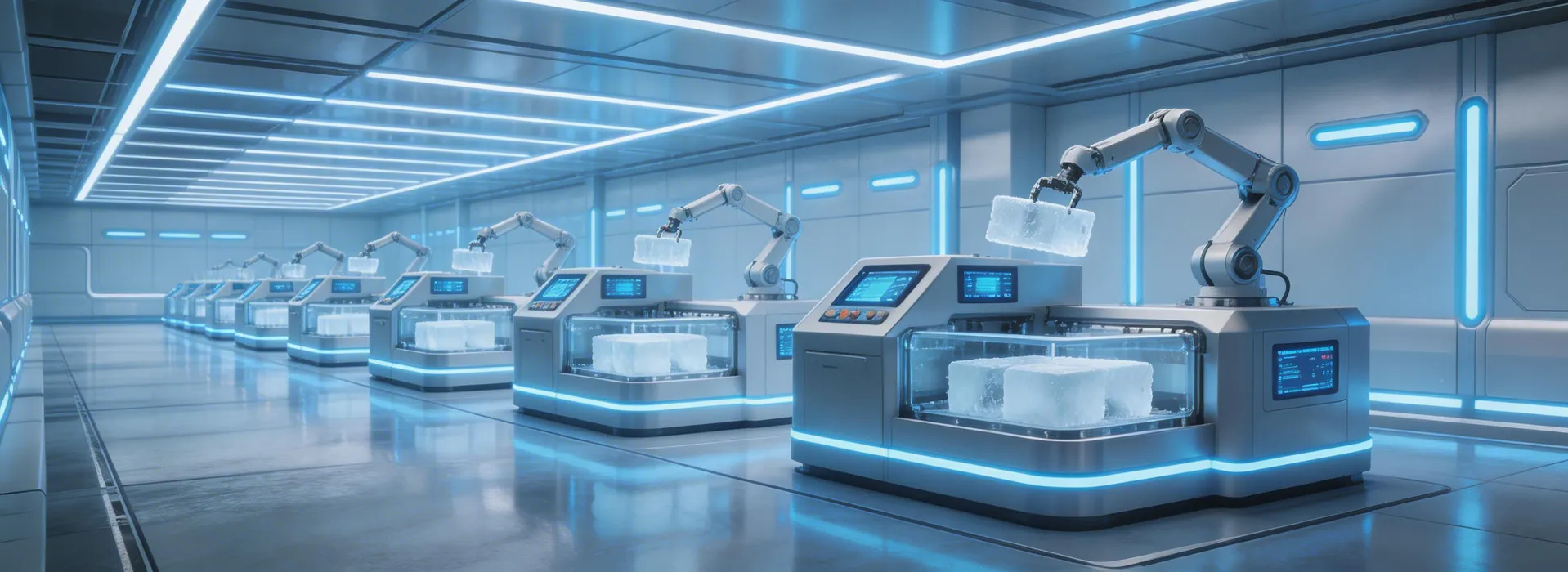
R&D Driven
ArcticPro Innovation & Technology
Pushing the boundaries of ice production through IoT connectivity, energy-efficient compressor design, and advanced water management systems.
Pushing the boundaries of ice production through IoT connectivity, energy-efficient compressor design, and advanced water management systems.
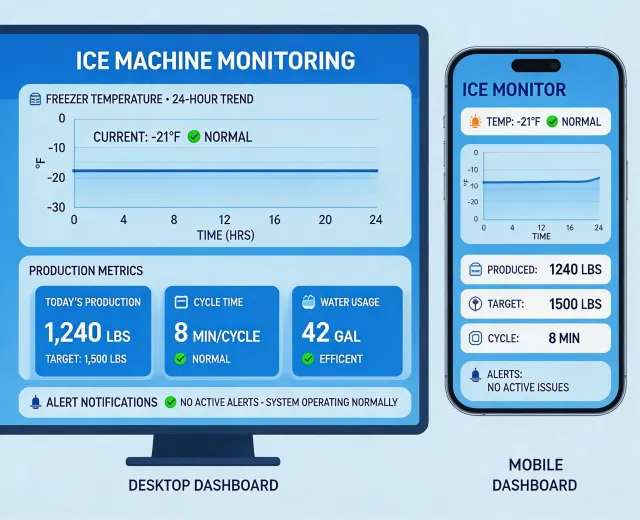
Our proprietary IoT platform transforms ice machines from standalone equipment into intelligent, connected assets that communicate in real time with operators, facility managers, and our service network.
Monitor ice production rates, bin levels, water consumption, and energy usage from any device through a centralized cloud dashboard.
Machine learning algorithms analyze compressor performance, evaporator plate condition, and water system data to predict failures 72 hours before they occur.
When a critical alert triggers, ArcticConnect automatically schedules a certified technician through our partner network, reducing response time to under 48 hours.
Our variable-speed inverter compressors adapt ice production output to real-time demand, delivering up to 35% energy savings compared to fixed-speed systems.
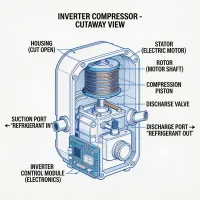
Variable frequency drive (VFD) compressors modulate cooling capacity from 25% to 100%, matching ice production to actual demand without wasteful cycling.
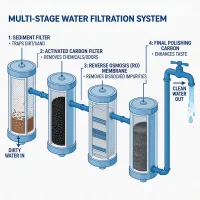
Three-stage water filtration reduces dissolved minerals by 92%, cutting scale buildup on evaporator plates and extending descaling intervals from 3 months to 9+ months.
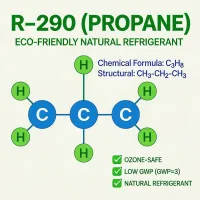
ArcticPro leads the transition to R-290 (propane) and R-744 (CO2) natural refrigerants with GWP under 5, ensuring compliance with evolving F-gas regulations worldwide.
Choosing the right ice machine technology involves evaluating trade-offs across refrigerant type, compressor design, and system architecture. ArcticPro provides transparent guidance to help operators make informed decisions.
The Kigali Amendment and EU F-Gas Regulation (revised 2024) are accelerating the phase-down of high-GWP HFCs. The industry faces a core decision point between two transition paths:
Zero or near-zero GWP (R-290 GWP = 3), no patent dependencies, and lower long-term operating costs. CO2 transcritical systems are increasingly viable even in warmer climates. However, R-290 (propane) is A3 flammable, requiring charge limits under IEC 60335-2-89 (currently 150g for commercial units, proposed increase to 500g). R-717 (ammonia) carries B2L toxicity classification, limiting use to engine rooms with detection systems.
Drop-in compatibility with existing HFC infrastructure reduces retrofit costs. No flammability concerns at A1 classification for R-1234ze(E). Faster adoption curve for existing technician workforce. However, higher per-kilogram refrigerant cost ($50-80/kg vs. $3-5/kg for R-290), and ongoing regulatory uncertainty about PFAS classification could impact long-term availability.
ArcticPro's position: We are transitioning our cube and nugget lines to R-290 by 2025, while maintaining R-134a availability for markets where natural refrigerant infrastructure is not yet established. We recommend operators evaluate local F-gas regulations, technician certification availability, and charge-limit compliance before selecting a refrigerant platform.
Compressor type selection directly impacts energy cost, ice quality consistency, and maintenance complexity. The optimal choice depends on load profile and application:
30-50% energy savings at part load by modulating compressor speed from 25% to 100% capacity. Delivers precise evaporator temperature control (±0.5°C), producing more consistent ice quality. Soft-start capability reduces inrush current and mechanical wear, extending compressor life to 60,000+ operating hours. Higher capital cost ($800-1,500 premium per unit).
Lower upfront cost and simpler controls. Proven reliability exceeding 50,000 operating hours in constant-load environments. Easier field maintenance with standard components. Preferred for 24/7 ice production facilities (fisheries, industrial plants) where the machine runs at or near full capacity continuously, negating the part-load advantage of inverters.
ArcticPro equips all commercial lines (AP-N Series, AP-C Series) with inverter compressors as standard. For industrial flake ice systems above 5 tons/day, we offer both options and recommend fixed-speed where load factor exceeds 85% on a sustained basis.
Our R&D team of 75 engineers is developing the next generation of ice production technology.
Cloud-based fleet management for multi-site operators. Remote firmware updates and centralized reporting for 500+ machine deployments.
Complete transition of cube and nugget ice lines to R-290 natural refrigerant. Achieving zero-ODP and GWP of 3 across all new models.
Machine learning models that automatically adjust harvest cycles, water temperature, and compressor speed based on ambient conditions and historical demand patterns.
Integrated water recovery system that captures and recirculates melt water, reducing total water consumption by up to 40% in high-volume installations.
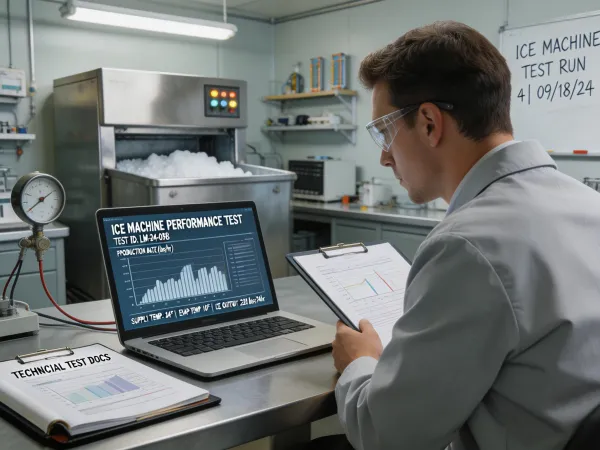
ArcticPro publishes independently tested performance data and offers multiple verification pathways so operators can validate claims before committing to a purchase.
Whether you're a distributor, system integrator, or facility operator, ArcticPro's engineering team is ready to collaborate on custom ice solutions.
Schedule a Technology Demo